
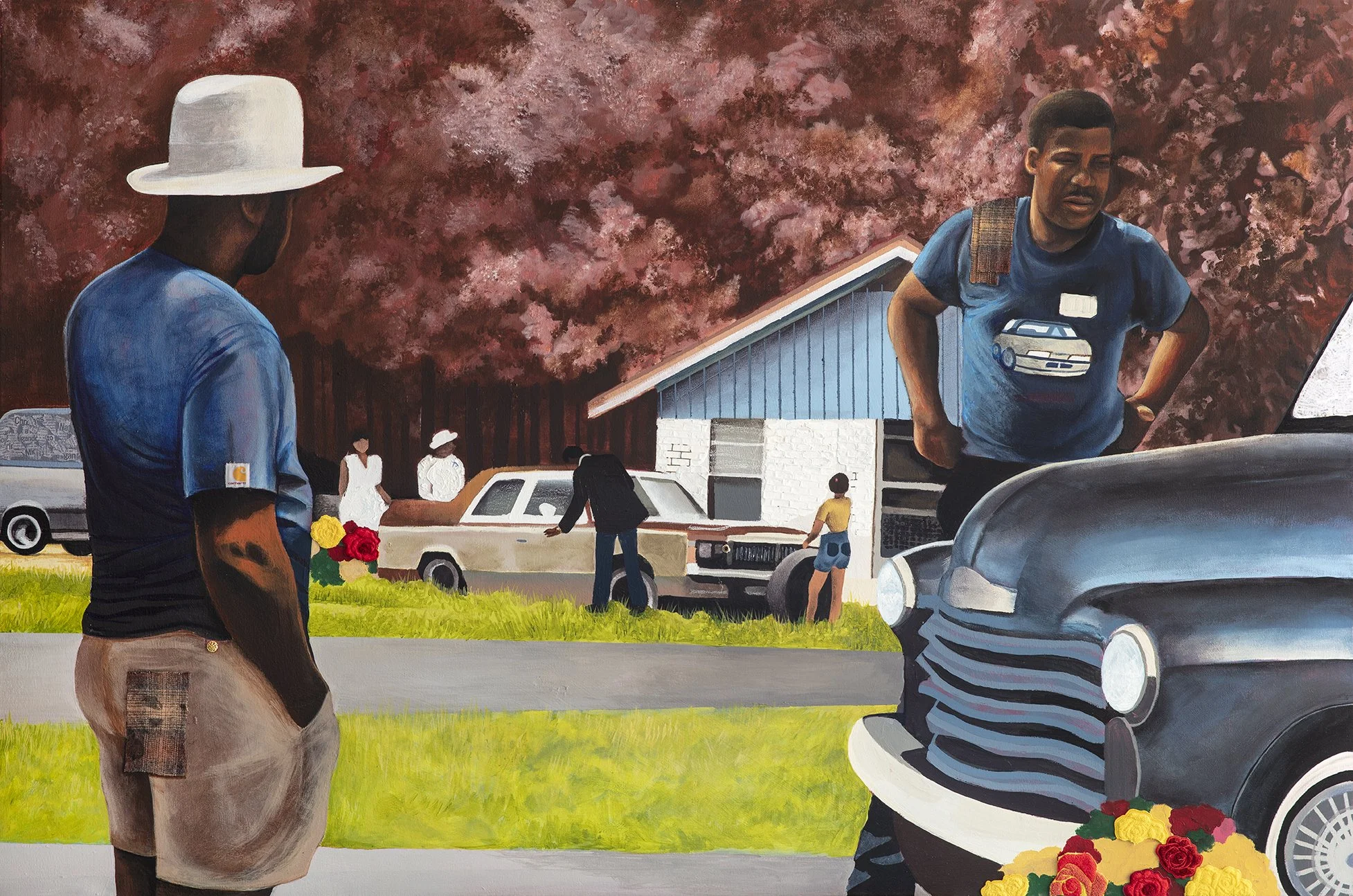
OSHUN WILLIAMS
JIMMY’S BLUEPRINT
Opening Reception:
Friday, June 19th | 6 - 9 PM
PREVIEW
___LZSettings_N4IghgrgLg9gwgJxgBxALigiBTANCAYxgBtjsCoBLGAOwEkATdEANgGYBOAJhYIEYAZgAYAHAwBGYAVz4BWAQHY+PBVxD4ipclVoAVAJ7Js6Pmw0kIAWxoB1SgygALdABYXQ-A2wBnSgHMaZkhYPwR7dRABSmIobAR0UCgwP2YAKUpLS30Acm8AAgAhYhxkMJooCIIwWL8YBH10GghSAF98P2hY+LQWDxBHbDAvBF1sAA8KtBAIjOTsAEFvIwoAJWrqZnnoGAjif0cocRgx9AEwYm88ED3vKDpLOfm9gMtscuYyAQr8G7uHv2wAGVKAAvYxoFwsfCvJIMapgAAKMF8OkCU3E2GIMAA7gBaIjlN7fECWShjbAMOC0WLvDBYK7IObAsEmPqlWb1ACy2Fh8OYNFoxnwpRgDAgFAAihBKAQANYANUo2GxAFEaGBxGQmHScPhLgS4VyeUM+VMBTQhSBvI4cSqxgQ4shJphdVabdiEWBbgB5BAAVWQRFJND8KoAbkTvMwIIGYMGUnr3Qiwg70C6rtacStBgxOXVsAAZSg0WWnc6XRM43SOKzidXRNP0yvY3SUKBkRuu7x7LzeBFxFY49BmECxCZPfw0V6067YL4RMdQZngkkUyhWCJvDVkAtgEENNBnC5Xc7EcORsvH-Bt7CWbx0GiD7HD-BJTU8qnFaxRtBcV-bnkAHFOjidAuD6SwYHEaJsE-KwaB-WRoSgmDgKgLp0D6LEhieYhfU9FJD3LK5sIYAigVBcEXHwbEEDAZA6FiO87CcIsS0vCsrTqJcrAeepGNvH8QAFXFvG4iJM2xQFHDABBsAKTpaCEgVpNky1xEUhC6AJCcXiJZgHUJeJ8A09ClO02hl2YbwHlICJTNgLSCU-OpmE1MA5XszT7wJQEoH0Dspm8ABHCA1NxI4EGGCIhkpapdGSOBiC9S5lMFSoSDIChqBoP0EGIIIwzAaIANxbE6lLV820CkBcLyeYipK996oQKByoQSrR0MbAADkwFeZgRTFCgo3wOTziKGA5UYNysTlXF9GlAB9Nglr4BQlq4Na1oUEQhBcPgOA4ORZA4IQ1r4FhdpAFogA
OSHUN WILLIAMS
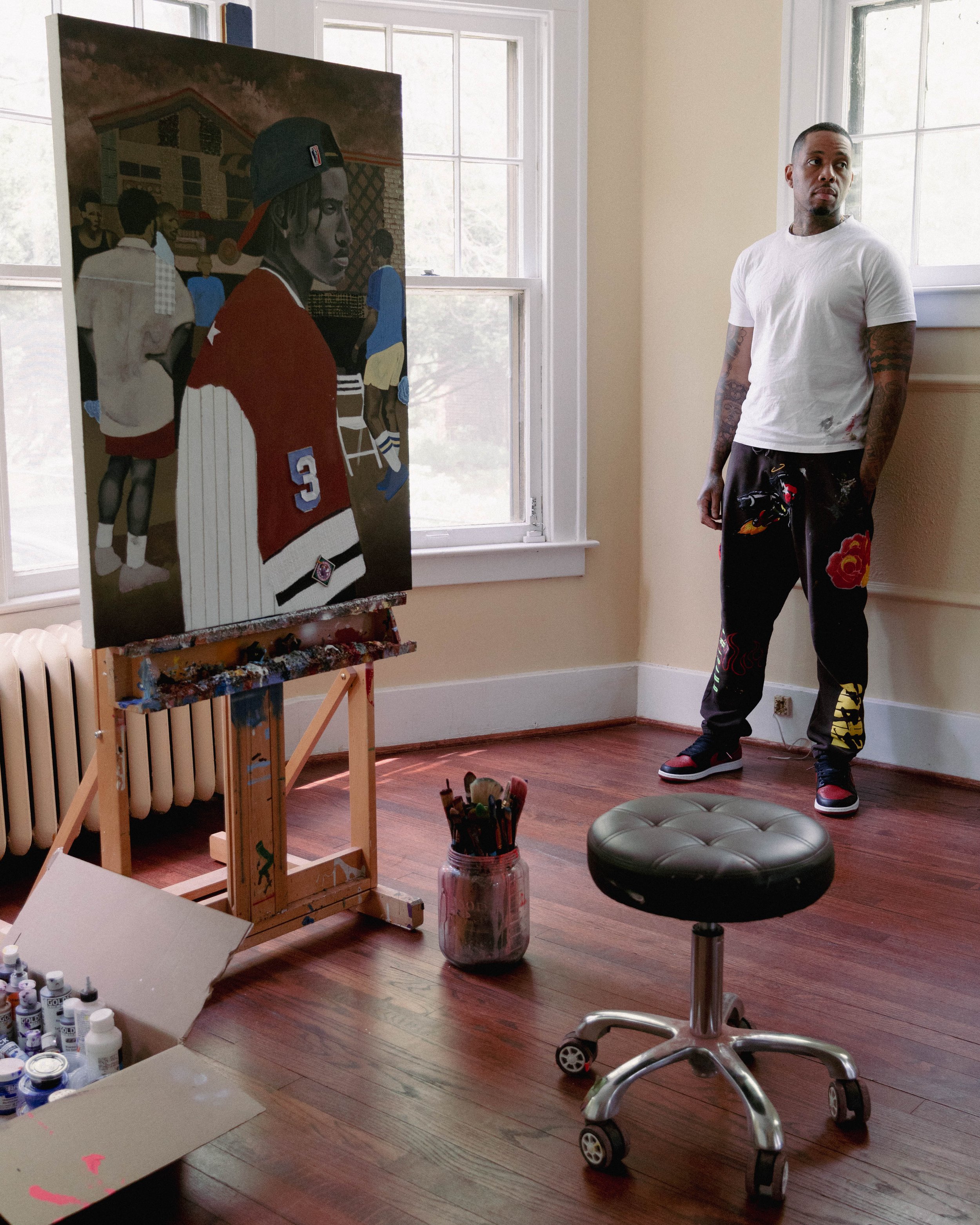
Photo: Jimel Primm
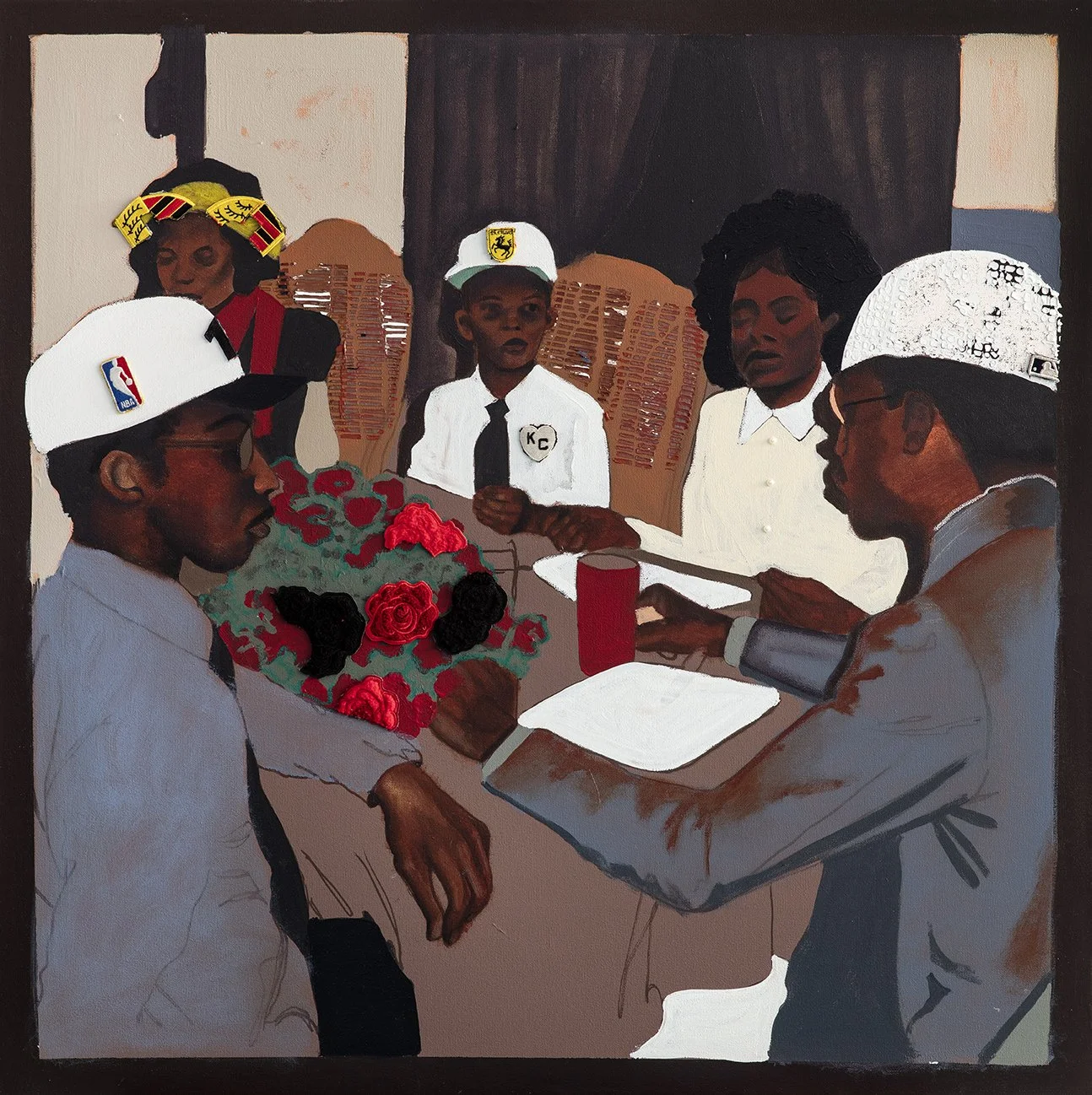
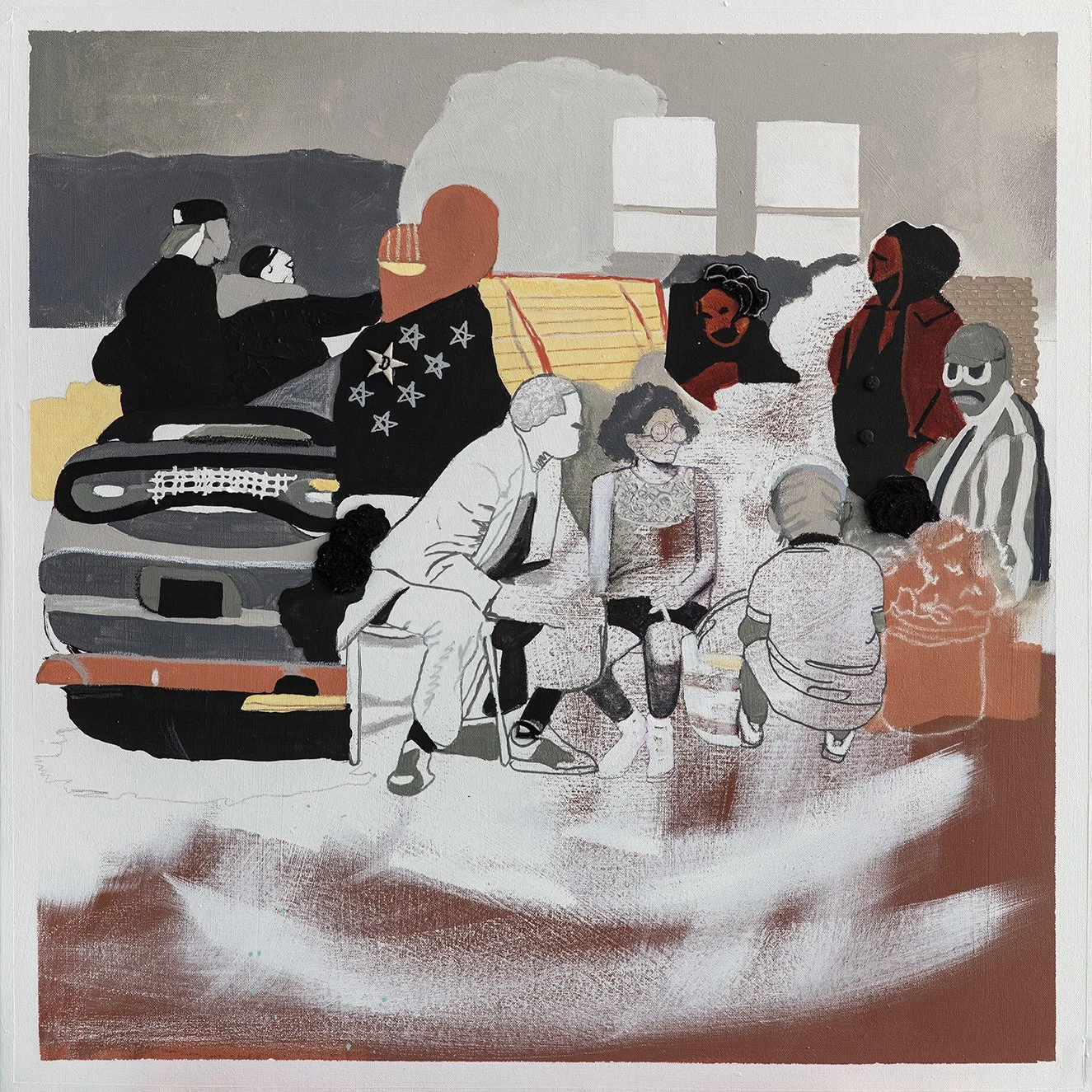
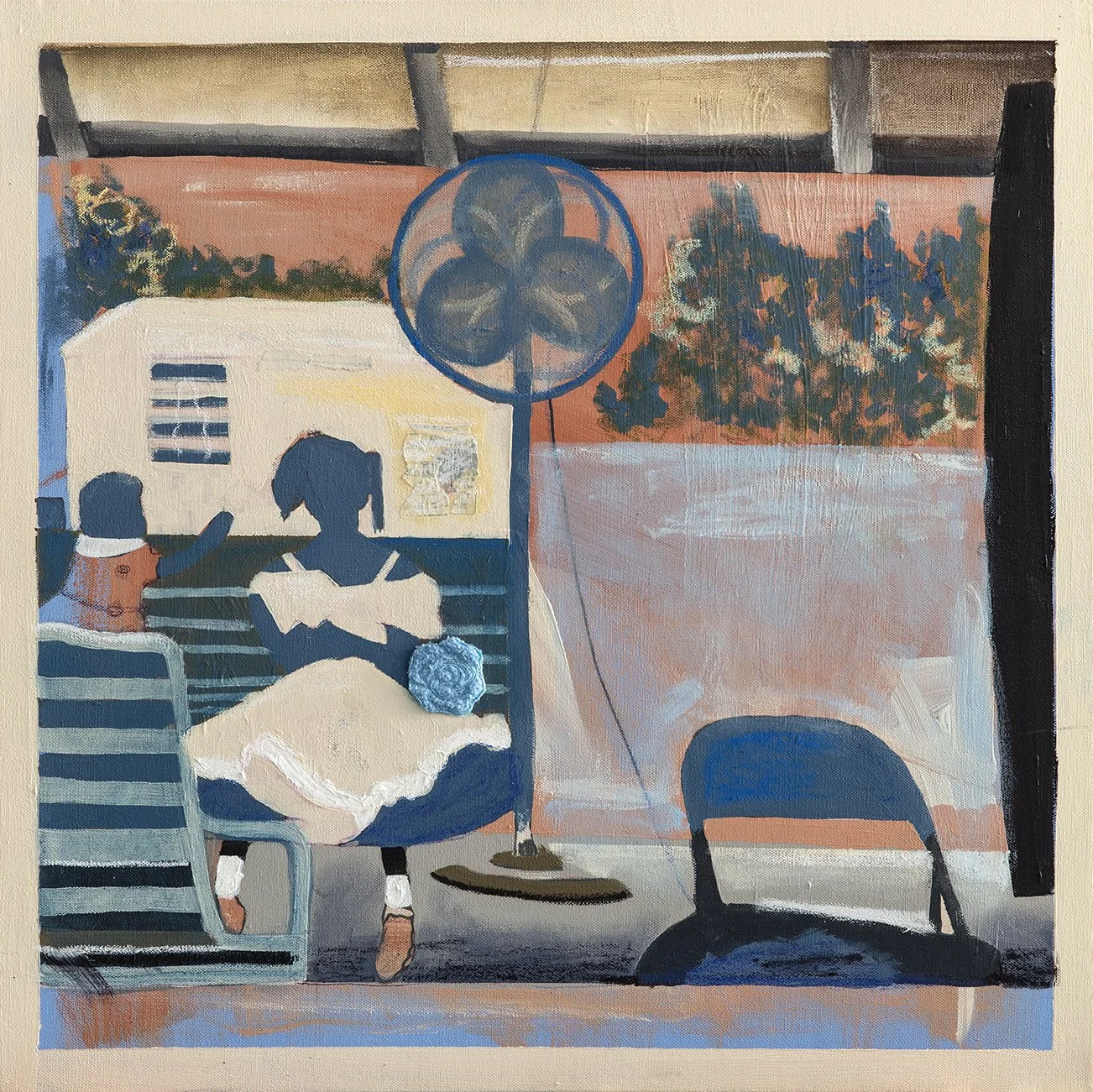
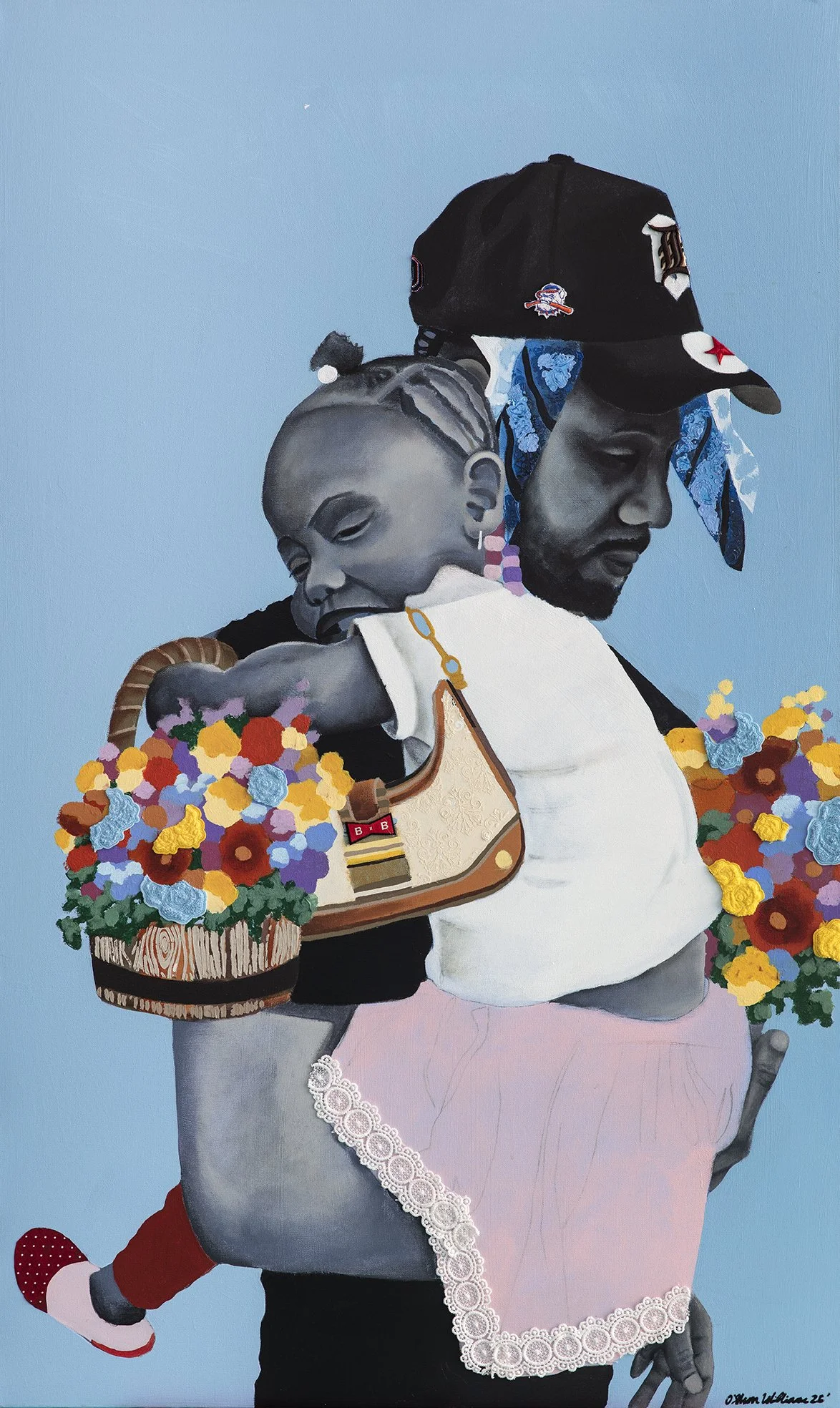
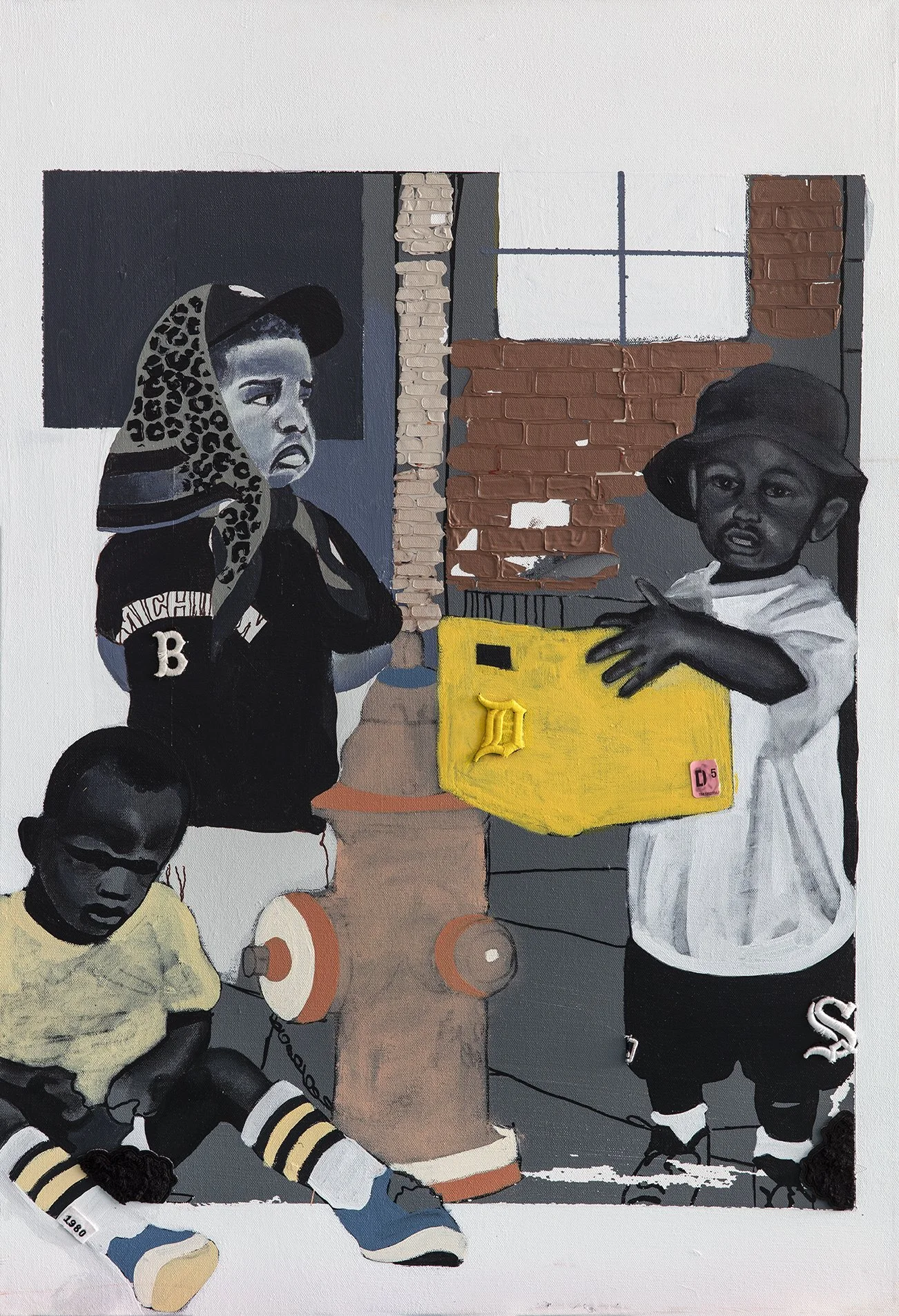
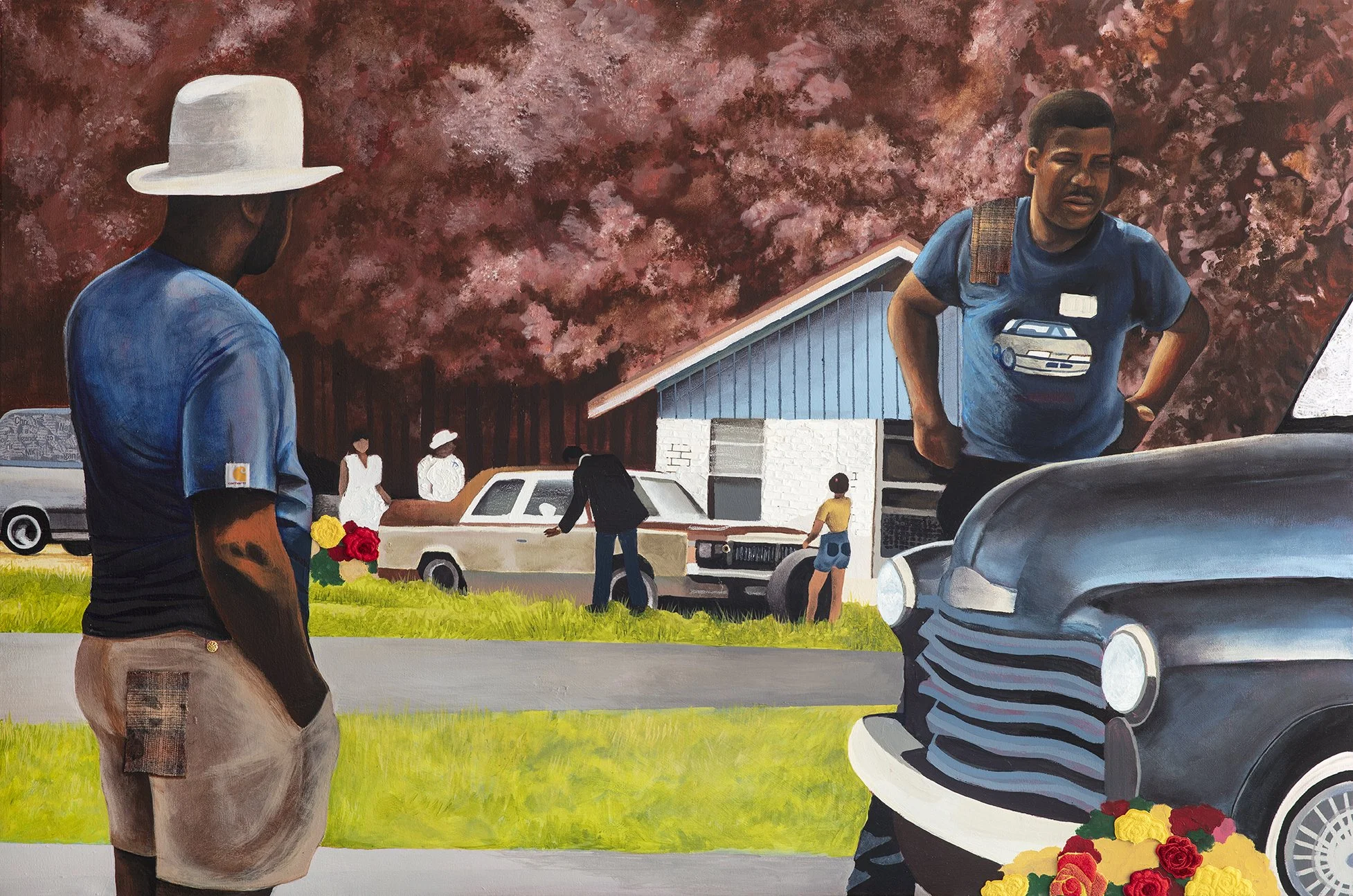
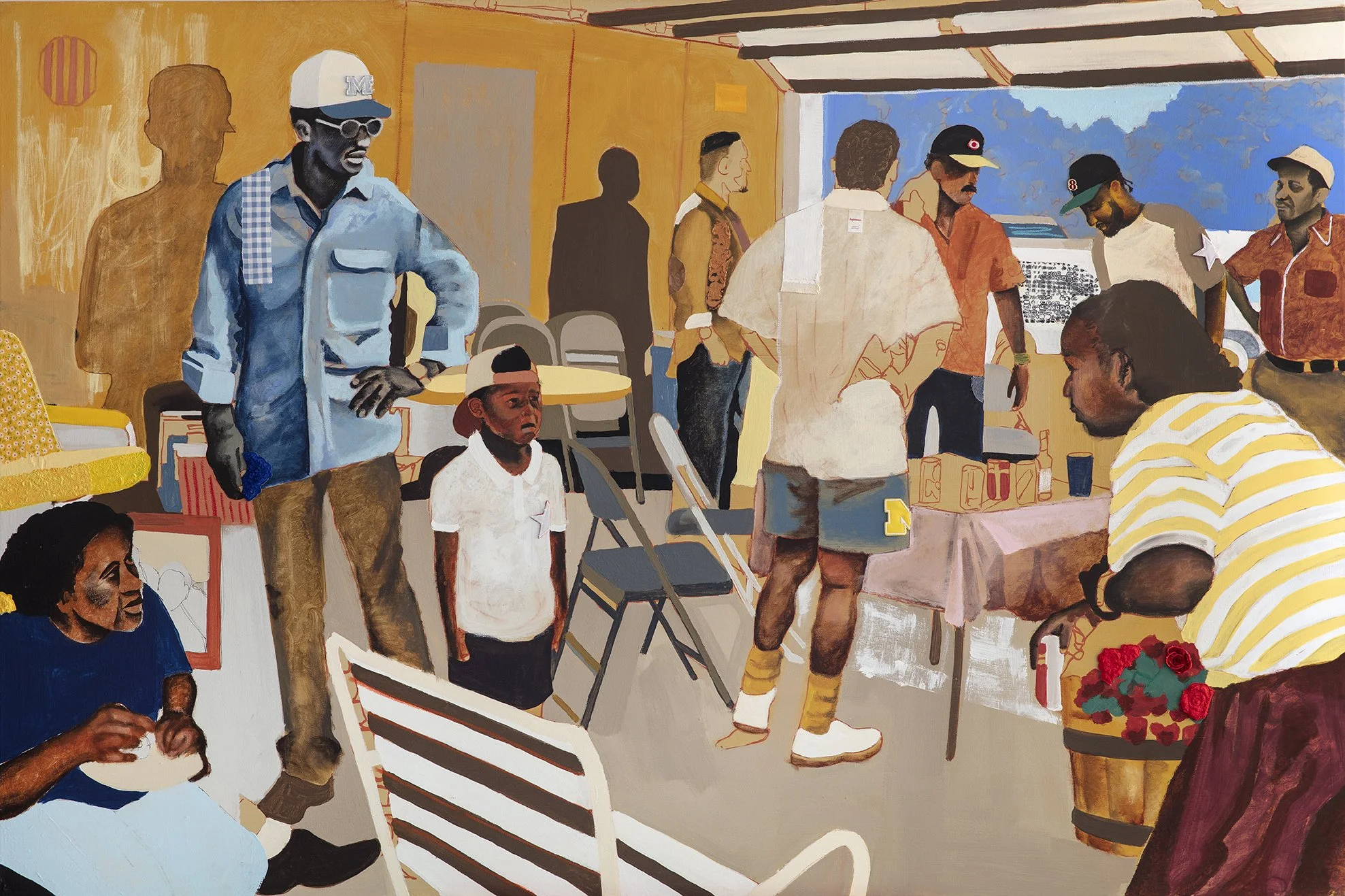
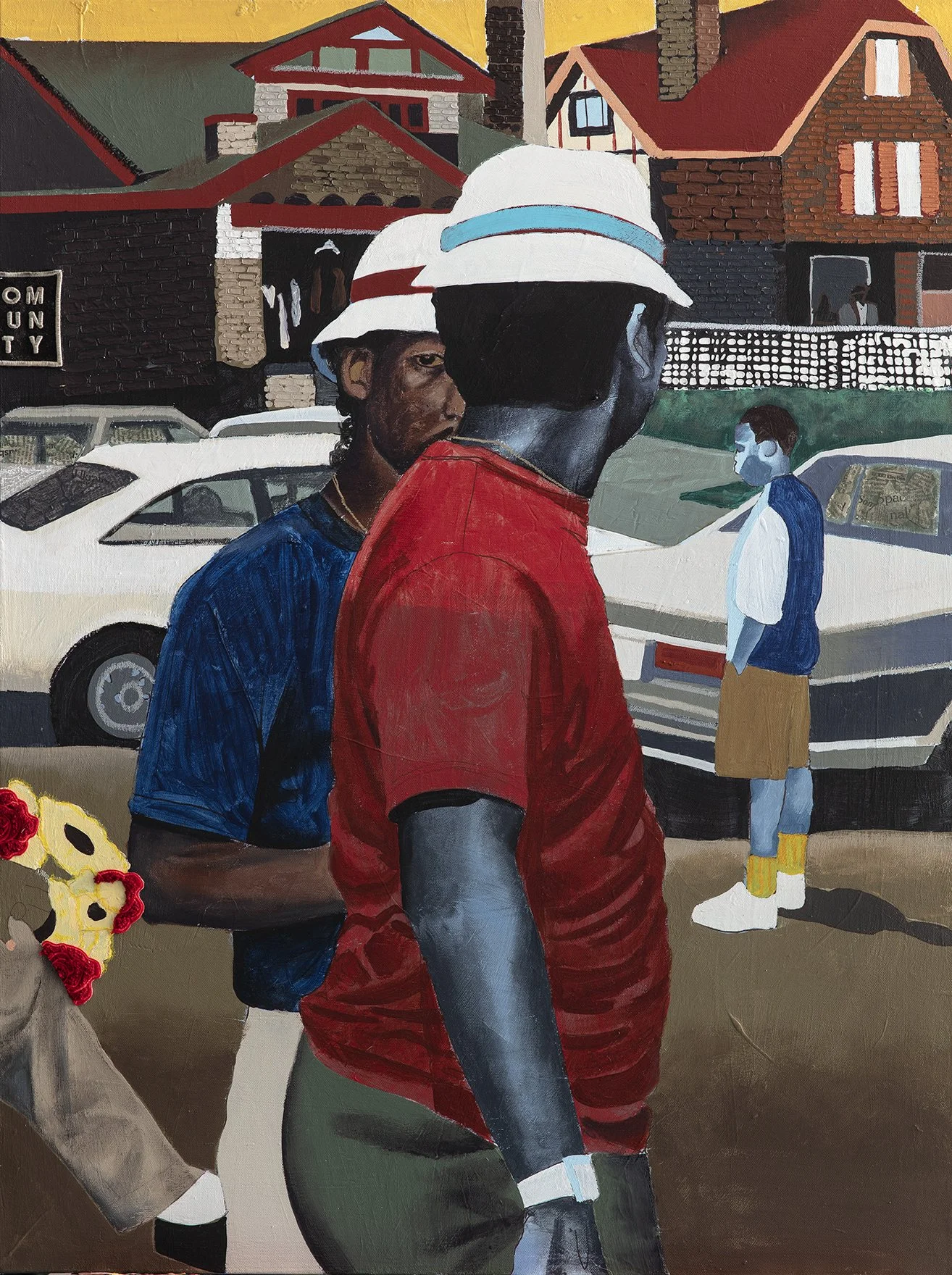
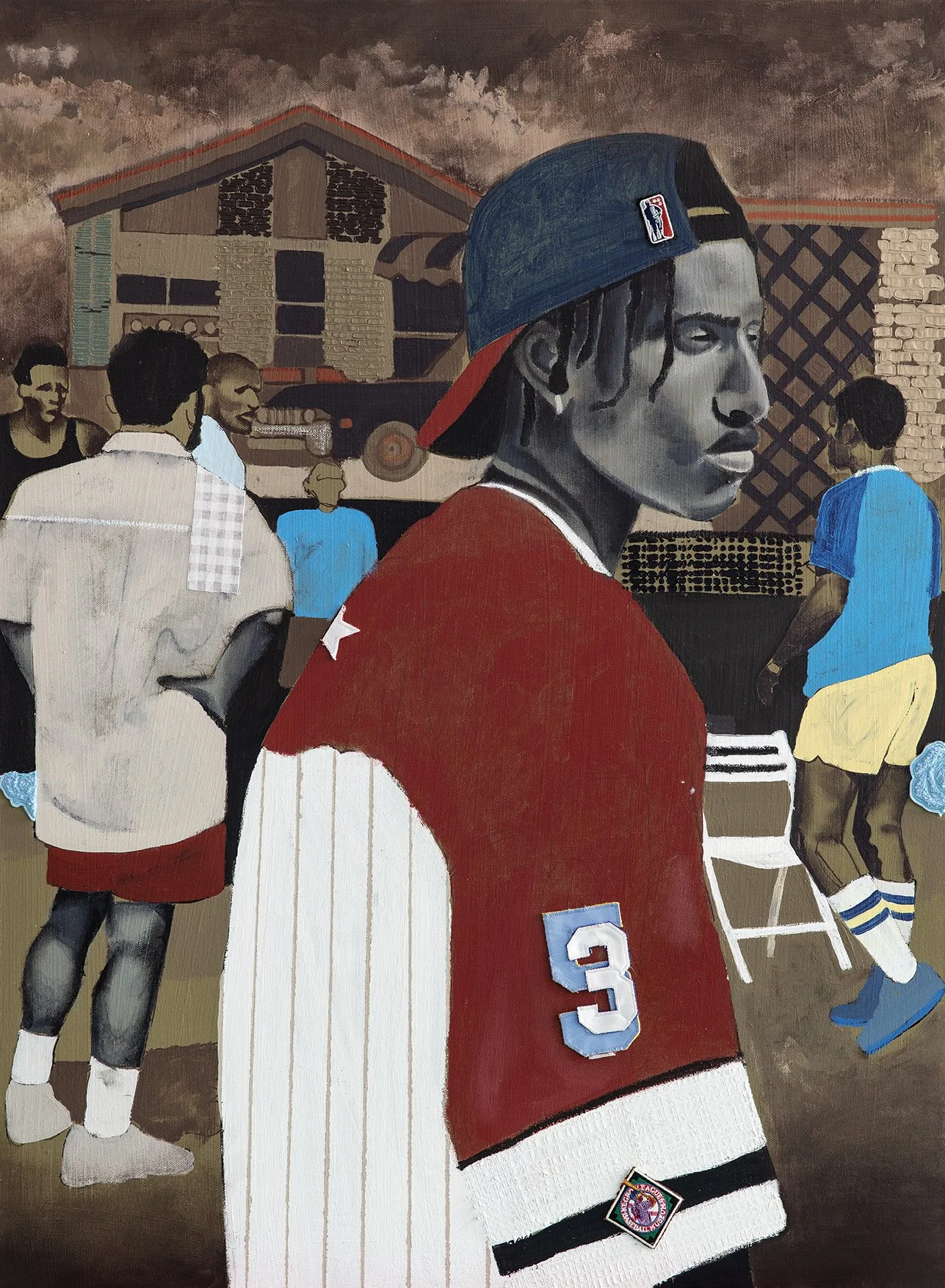
Pontiac native, Oshun Williams is a mixed-media artist based in Detroit. After joining the Detroit Fine Arts Breakfast Club in 2022, Williams quickly gained recognition through a series of sold-out exhibitions — selling more than 200 works to date. His innovative approach to story telling and painting has sparked growing demand among collectors for emerging art. In 2024, he was awarded the Gucci Changemakers Siren Art Wall and commissioned work for the University of Michigan’s permanent collection. Beyond his own practice, Williams remains deeply engaged in his community—collaborating, collecting, and curating the work of fellow artists.
OSHUN WILLIAMS
Acrylic and mixed media, chenille patches, found objects, oil pastels on canvas
36 × 36 inches
Artist Note:
A quiet moment of care, memory, and belonging. The artist captures the intimacy of family life, where love, nourishment, and legacy are shared across generations. In this season of gathering and reflection, the work serves as gentle reminder of what truly sustains us.