
Melannie Chard
Jan 4, 2026
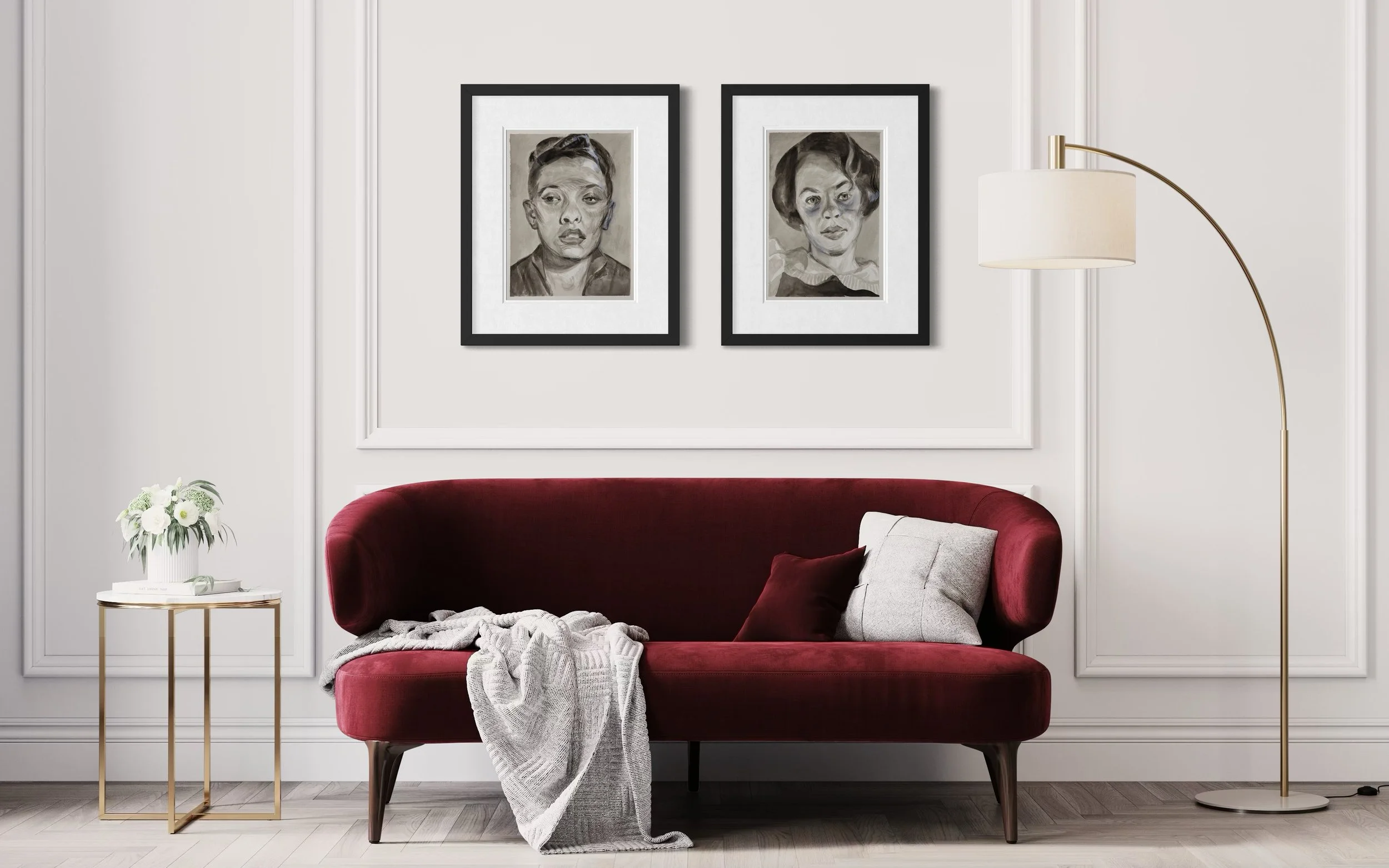
Pictured: Richard Lewis “Boxing Portraits”
Good Morning friends,
One of my intentions for 2026 is to spend more time talking about collecting. Not just what to buy, but how to live with art, build relationships with artists, and develop a collection that feels personal and enduring.
Over the past year, I've shared notes exploring artist comparisons and introductions to artists I believe in deeply. As we move into January, I wanted to begin with something foundational: how collections start, and why works on paper are often where meaningful collecting begins.
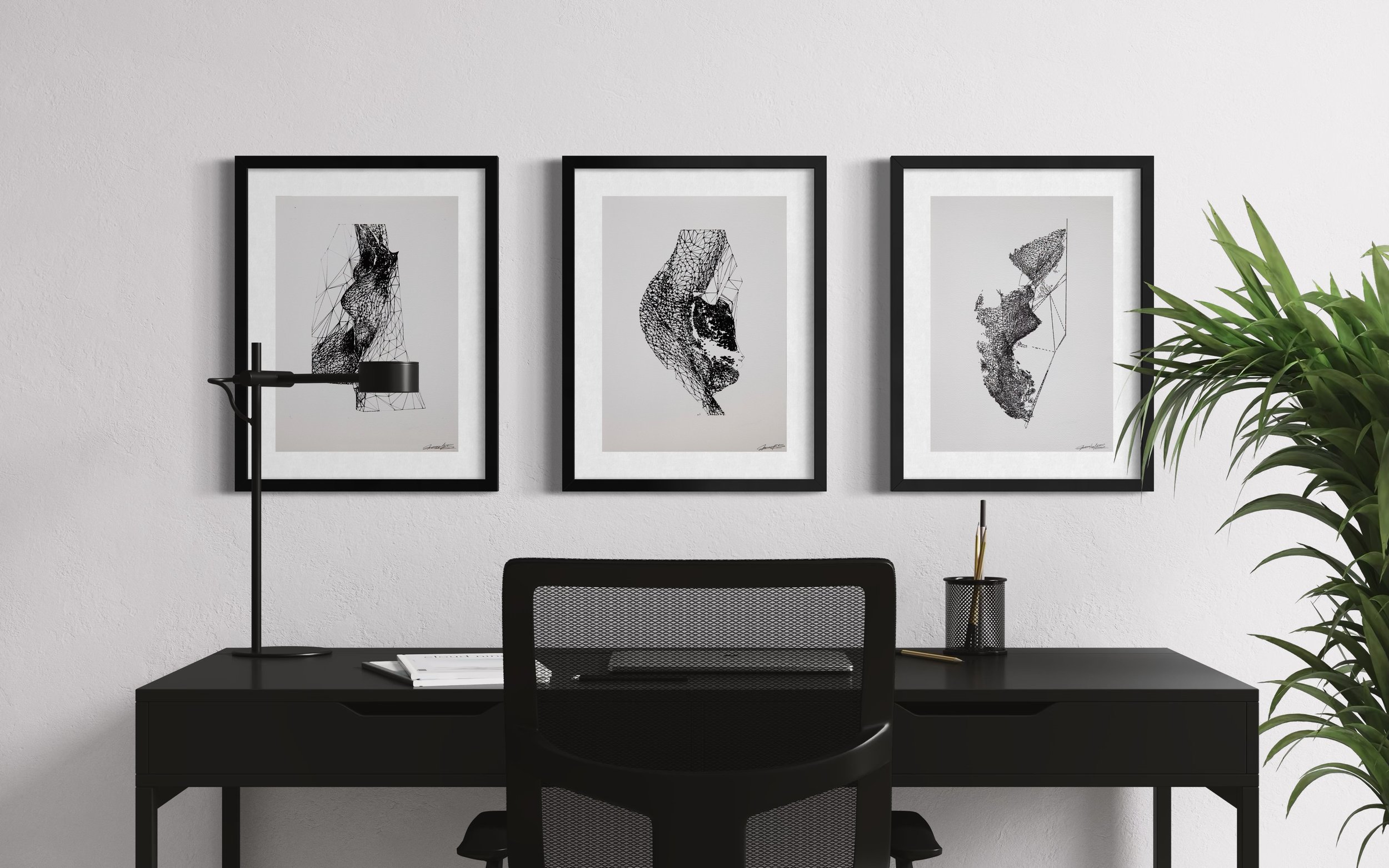
Pictured: Dino Valdez “Sketches 1, 2 and 4”
Works on paper offer an intimacy that invites closer looking, quiet reflection, and daily engagement. They also tend to sit at accessible price points, making them ideal for emerging collectors or for those looking to thoughtfully expand an existing collection.
Major contemporary collectors such as Agnes Gund and Eli Broad understood this early on, building foundational portions of their collections through works on paper. Drawings by artists including Jasper Johns, Robert Rauschenberg, Cy Twombly, and Jean-Michel Basquiat were collected not as studies, but as complete works.
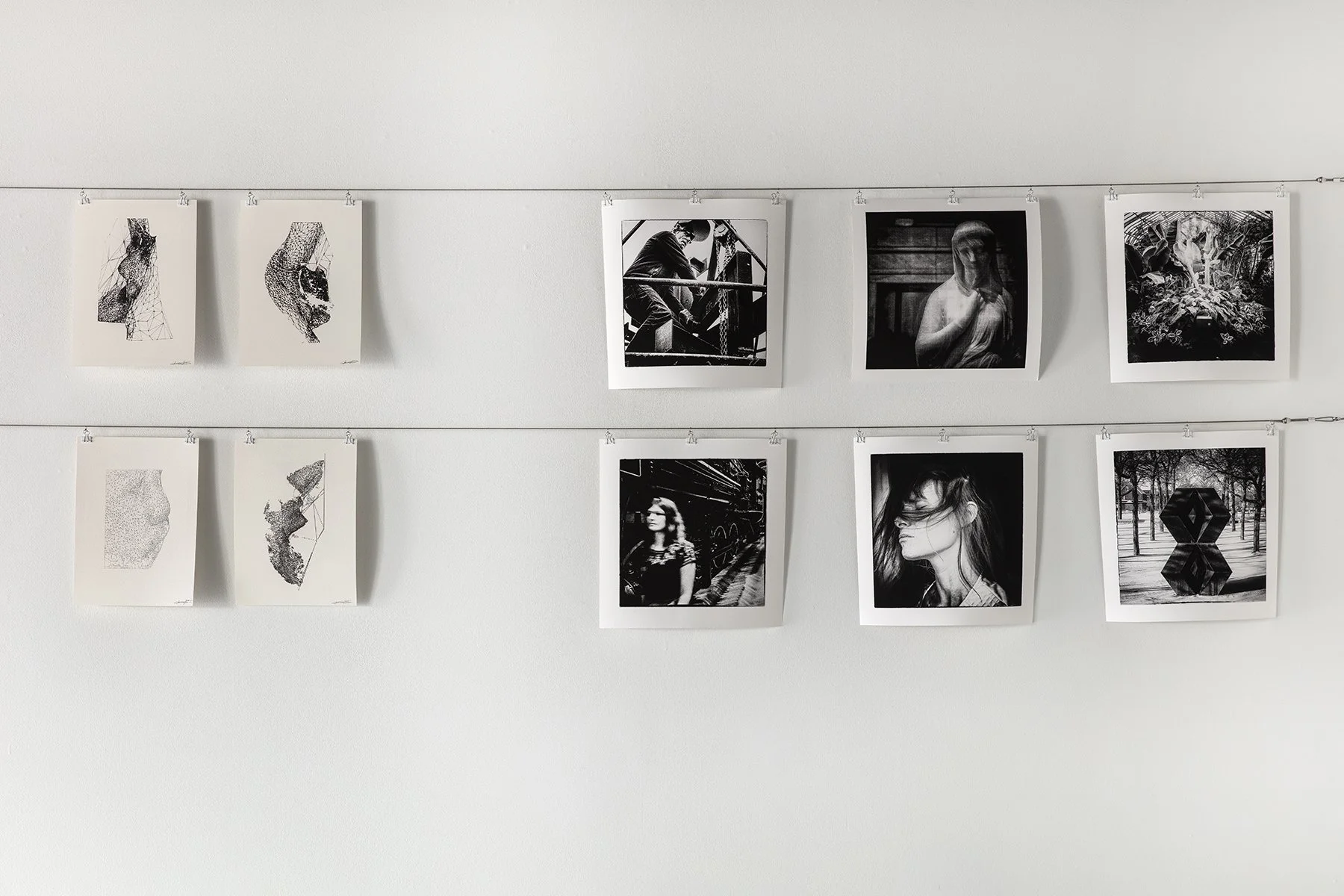
Installation of Suspended: Dino Valdez and Roy Feldman
Photo by CJ Benninger
This belief has been reinforced by curators and institutions as well. Thelma Golden, Director and Chief Curator of the Studio Museum in Harlem, has long foregrounded works on paper as central to contemporary practice. Through exhibitions and scholarship, she has championed the paper-based practices of artists such as Glenn Ligon, Kerry James Marshall, Lorna Simpson, Mark Bradford, and Adam Pendleton, affirming paper as a primary site of cultural and conceptual weight.
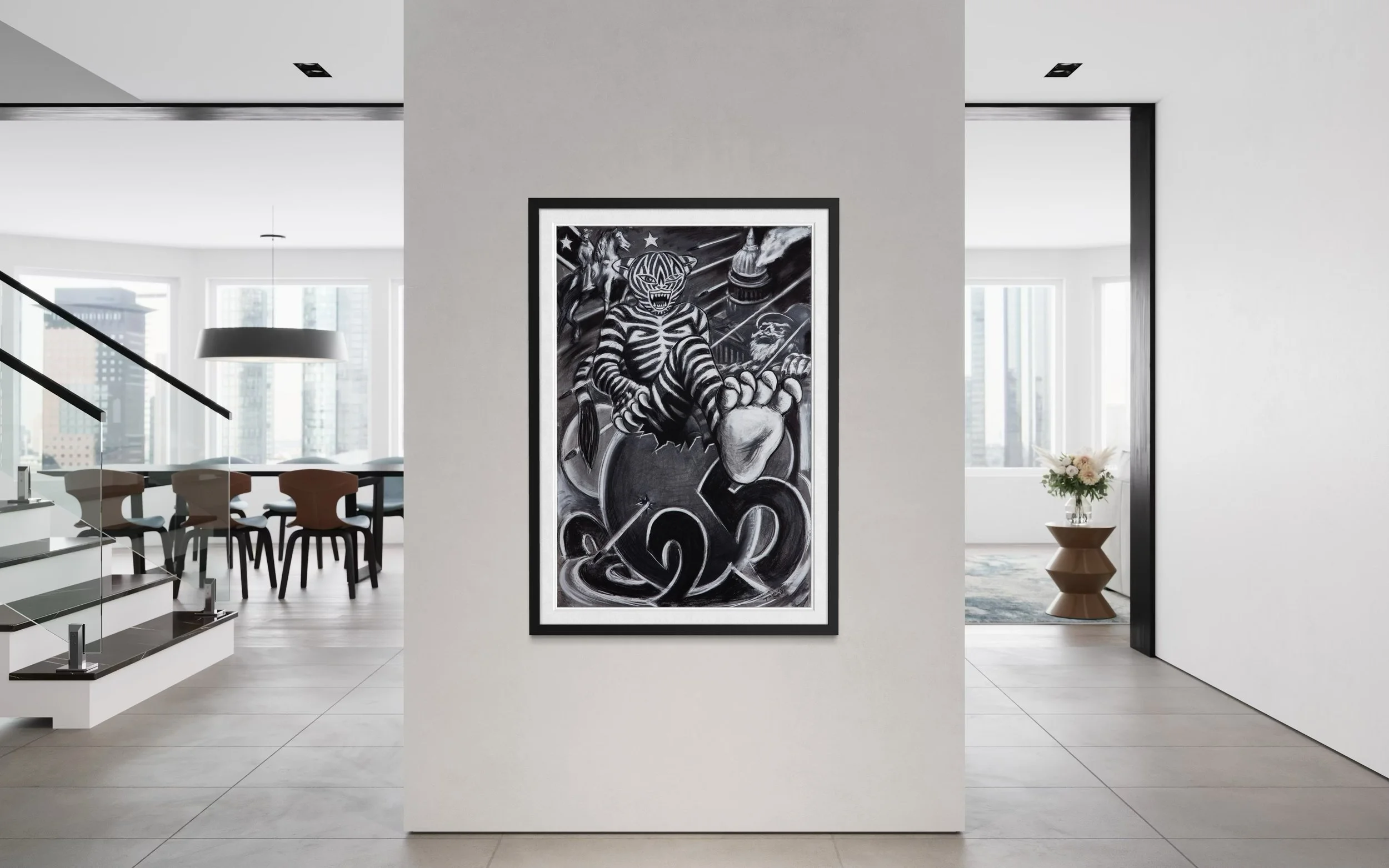
Pictured: Taurus Burns “The Arrival” 2025
Our current exhibition, Suspended, was curated with the collector in mind. The works on view are modest in scale but rich in concept and process. Some of the artists represented have strong institutional and primary-market footing, while others are at pivotal moments in their careers. Together, they reflect a spectrum of where contemporary collecting is headed.
For collectors just beginning, Suspended offers an opportunity to acquire work by artists such as Cara Marie Young and Dino Valdez, whose practices are gaining momentum. For more seasoned collectors, the exhibition includes works by Richard Lewis, Rashaun Rucker, Elizabeth Youngblood, Sydney James and Senghor Reid. Artists whose practices are deeply rooted and continuing to evolve.
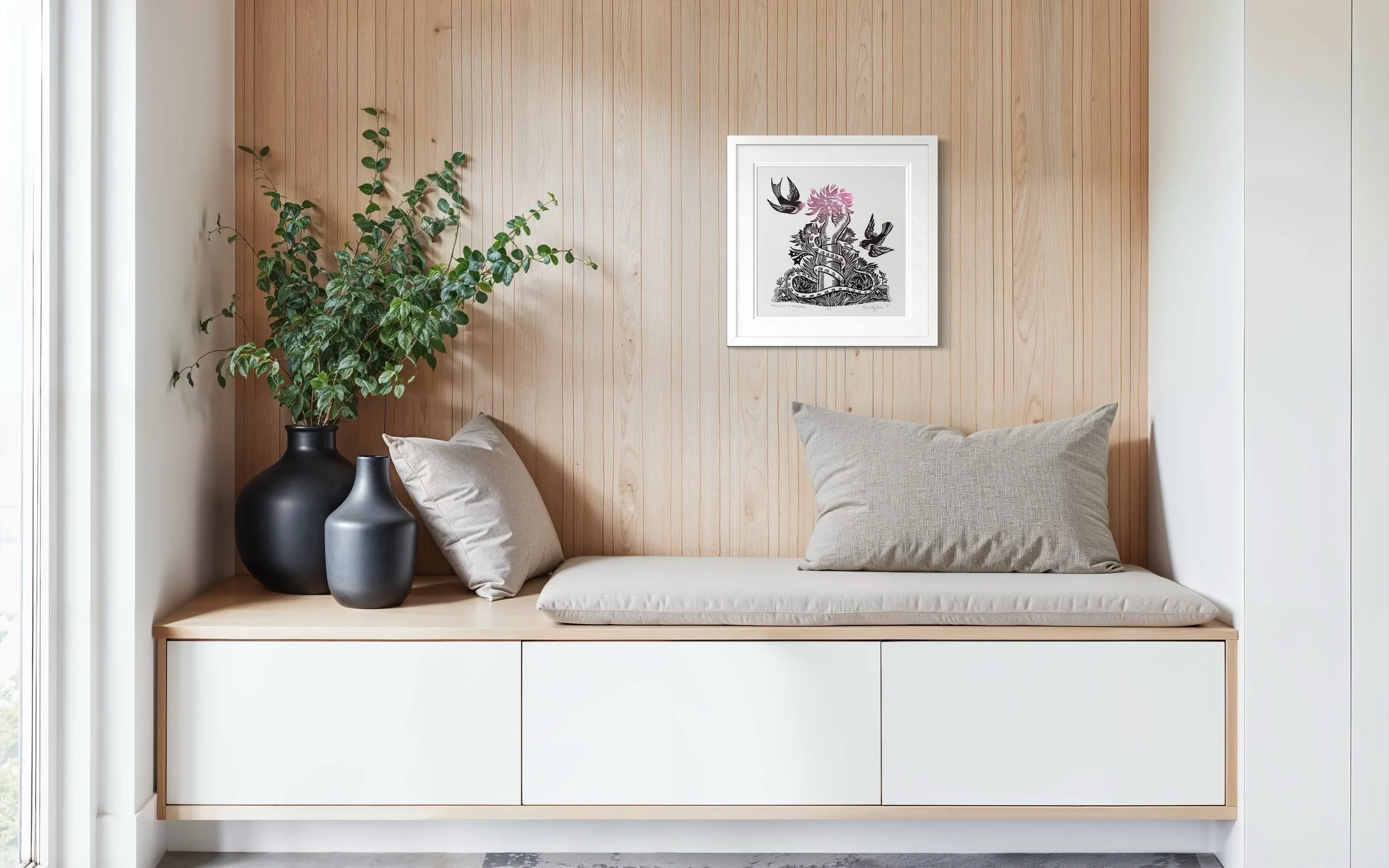
Pictured: Don Kilpatrick III “The Pursuit of Knowledge”
What connects all of these works is not just medium, but intent. These are pieces that hold space and integrate into daily life. To help visualize this, I've placed images of works in domestic settings: living rooms, shelves, and personal spaces where art becomes part of the home rather than something kept at a distance.
Collecting doesn't have to be intimidating or transactional. At its best, it's relational, intuitive, and built slowly. Suspended is an invitation to start the process.
You're invited to our reception on January 9th, 6–9 PM, to take a closer look. The exhibition runs through January 10th.
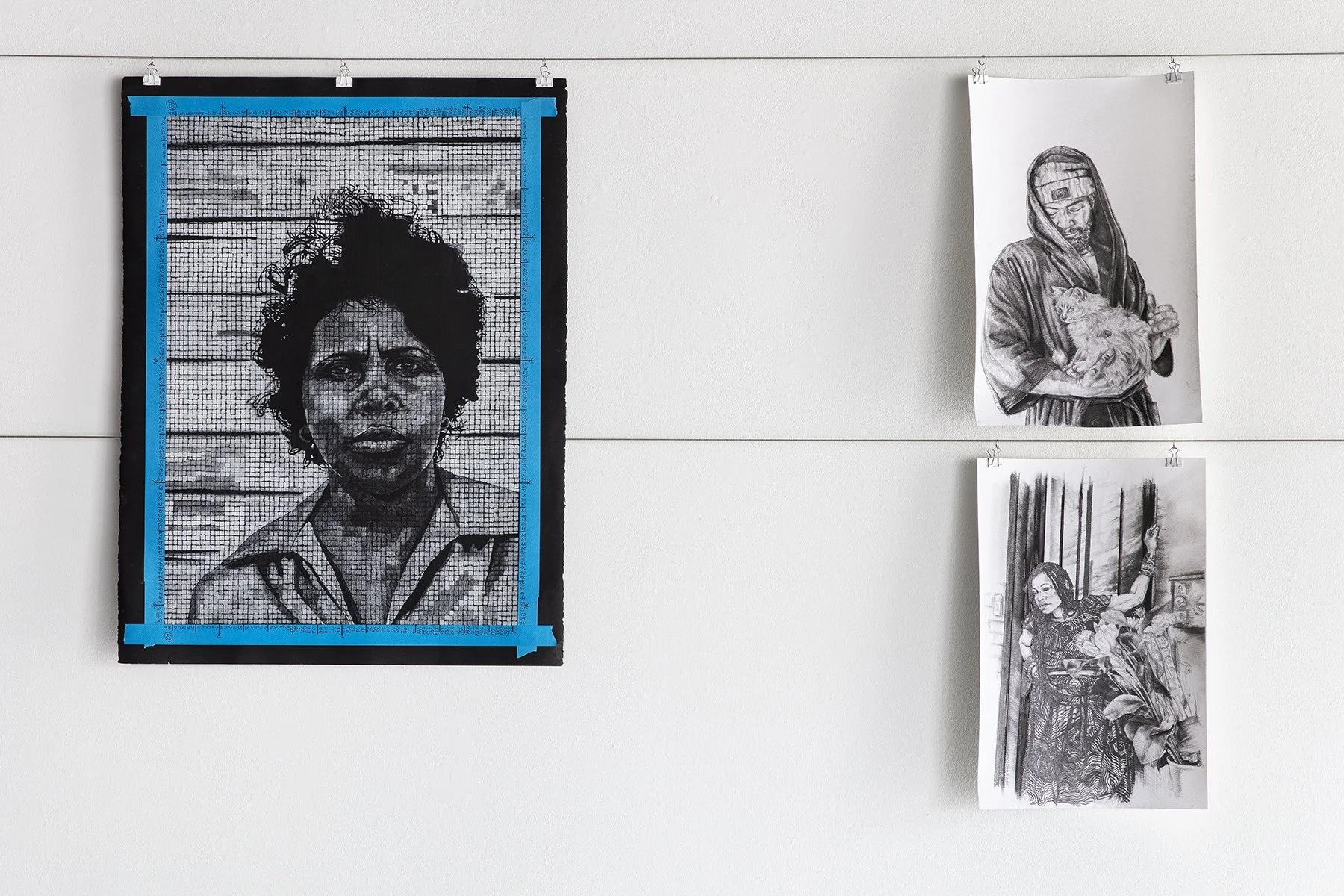
Installation of Suspended: Senghor Reid and Sydney G. James
Photo by CJ Benninger
WHERE DO I START?
When people ask where to start building a collection, I often encourage them to notice what they're already responding to. Collecting begins with a gut feeling. What are you drawn to? You don't have to know why but some of the things I think about are:
FORM: Are you drawn to structure, line, softness, or geometry? Do you like art to depict something specific or a feeling?
COLOR: Notice the palettes you live with or gravitate toward, are they bold, muted, layered?
MEDIUM: Works on paper, painting, sculpture, photography, do you prefer texture or flat surfaces?
STORY: Some works resonate because of the why. The story they tell is important.
ARTIST: Following an artist's practice over time and collecting their work in depth can be deeply rewarding. Getting to know whose work you are collecting matters.
PROCESS: Many collectors connect to how a work is made. They connect with what went into it, the research, the material. Is it urgent or precise? How something was created can be a story in itself.
If a piece continues to hold your attention, that's often the clearest signal. The best collections are built through connection and you'll notice that what you are drawn to can evolve as you spend more time looking at and living with art.
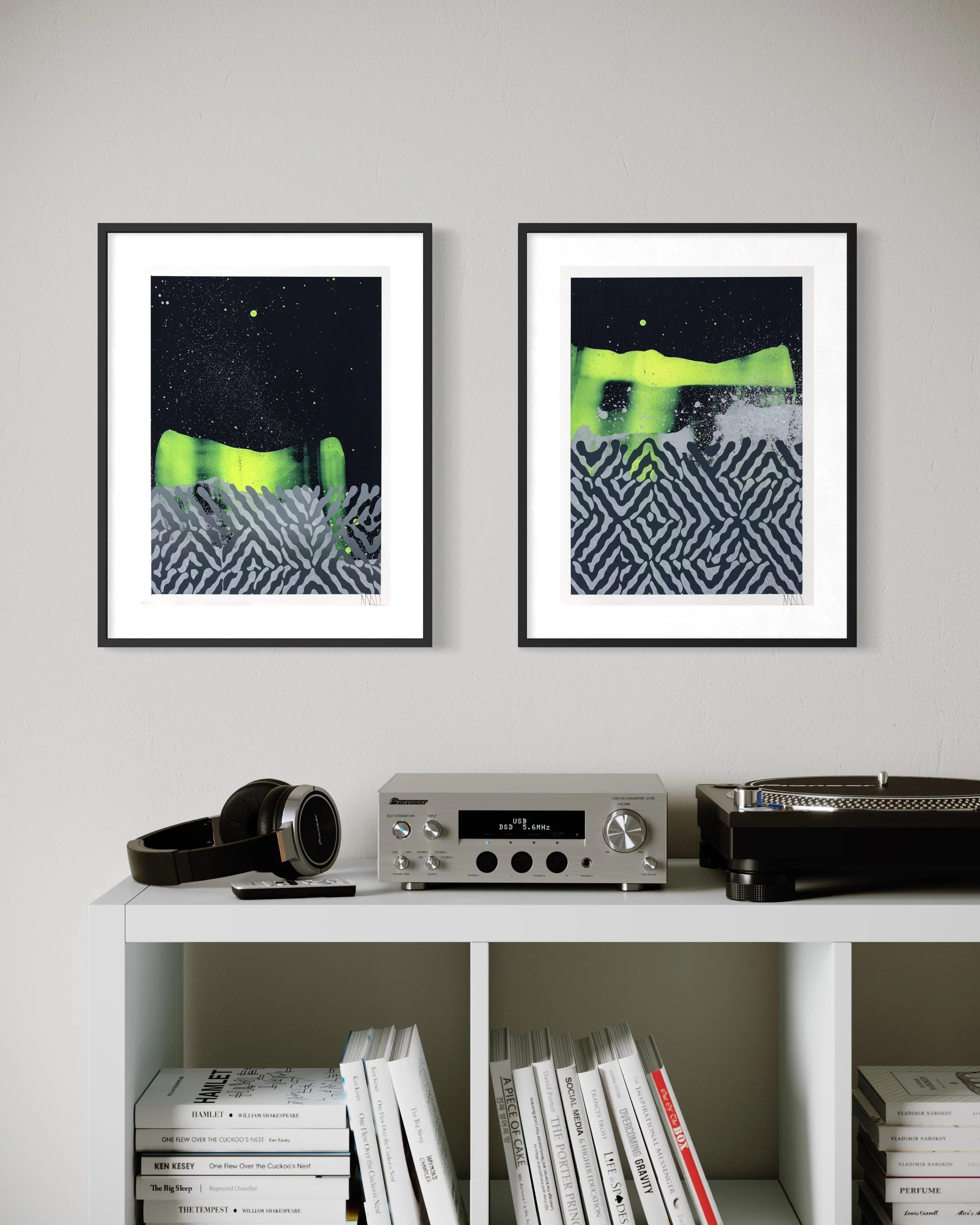
Pictured: Matt Eaton “Temple Dusk, 1 and 2”
If you made it this far, thank you and see you soon!